
Online Pharmacy


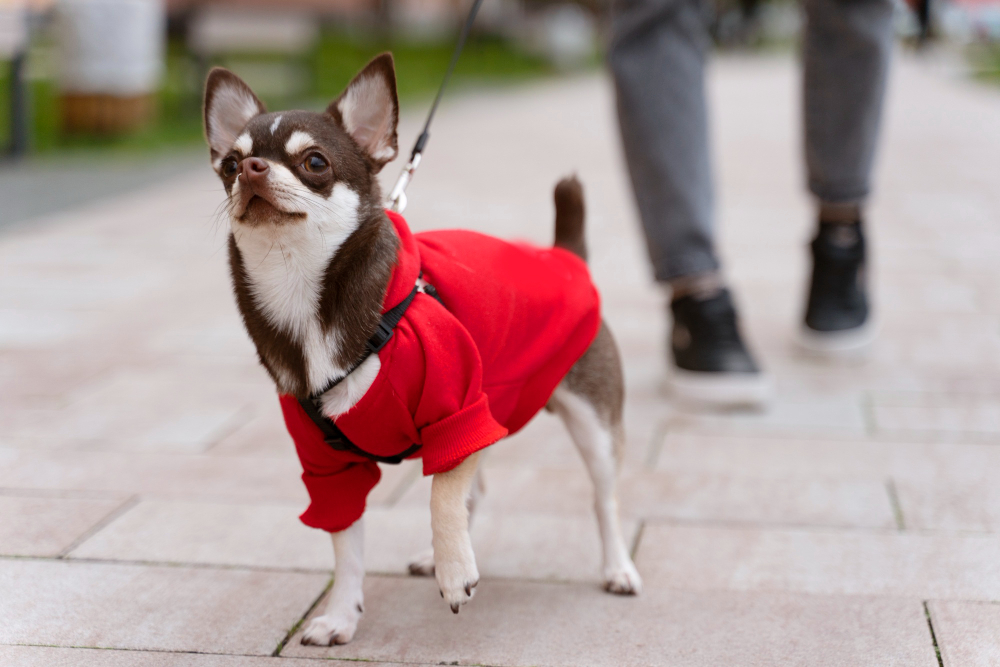
January is Walk Your Pet Month, a timely reminder that one of the simplest habits you can build has meaningful benefits for both you and your dog — all year long.
When you say, “It’s time to walk the dog,” most people think of bathroom breaks. And yes, regular walks help keep the carpet clean. But daily walks offer far more than that. They support your dog’s physical health, mental well-being, emotional balance — and yours, too.
Regular walks play an important role in keeping dogs healthy at every stage of life.
Excess weight is one of the most common health concerns seen in dogs. In most cases, the solution comes down to balancing calories in with calories out. Walking is a practical, low-impact way to burn calories, support a healthy body condition, and build a routine that benefits both dogs and their people.
Joints are designed to move. Long periods of inactivity can lead to stiffness and muscle loss, especially in aging dogs. Gentle, consistent movement helps maintain flexibility, preserve muscle strength, and support mobility — even for senior pets, when tailored to their abilities.
Dogs thrive on routine. Regular walks help stimulate normal bowel movements and can reduce constipation. Frequent opportunities to urinate also support bladder health, since urine retained too long may increase the risk of urinary issues.
As with any exercise routine, it’s wise to check with your veterinarian — especially if your dog has medical conditions, mobility limitations, or has been largely inactive.
A yard is helpful, but it doesn’t replace a walk.
Dogs experience the world primarily through scent, sound, and movement. Walks expose them to new smells, sights, and experiences that don’t change day to day in a backyard. This mental enrichment can reduce boredom and may help curb behaviors such as excessive barking or destructive chewing. Mentally fulfilled dogs also tend to rest better.
You are the center of your dog’s world. Walking together provides focused, one-on-one time that strengthens your bond and meets important emotional needs. That connection often translates into calmer, more content behavior at home.
Consistency is one of the biggest challenges with exercise. Dogs make excellent accountability partners — they don’t cancel plans or lose motivation. If you’re looking for a reliable reason to move more, your dog is already waiting by the door.
Dog walking supports health on both ends of the leash.
Regular walking is linked to improved cardiovascular health and a lower risk of chronic conditions such as heart disease, type 2 diabetes, and osteoporosis. Public health guidelines commonly recommend about 30 minutes of moderate activity most days — and walking is one of the most accessible ways to get there.
Dogs face similar challenges. Studies consistently show that more than half of all dogs in the United States are overweight or obese, which can shorten lifespan and increase the risk of joint disease, heart problems, and other chronic conditions. While some dogs may run in a yard, many choose rest over activity — especially when alone. A walk with their favorite person, however, is rarely skipped.
There’s no one-size-fits-all answer.
For people, about 30 minutes of moderate exercise on most days is a common goal. For dogs, daily walks — adjusted for age, breed, fitness level, and health status — are one of the easiest ways to support long-term wellness. Some dogs need short, leisurely strolls; others thrive with longer or more frequent walks.
January often inspires new routines, but lasting habits work best when they’re realistic.
Start small. A few 10-minute walks around the neighborhood are a great beginning. As endurance builds, gradually increase time or distance. Aim for about 30 minutes per day — and remember, it doesn’t have to happen all at once. A brief morning walk and a longer evening stroll are just as effective.
Keep things interesting by changing routes, exploring new areas, or occasionally mixing in activities like fetch or a park visit. Consistency matters more than perfection.
Many dogs quickly learn the routine — and won’t hesitate to remind you when it’s time to head out.
Some people reward workouts with treats or drinks. After a walk with your dog, you may find that enthusiastic tail wags, bright eyes, and calorie-free affection are reward enough.
A simple daily walk is one of the easiest ways to show your dog you care — and Walk Your Dog Month is a great time to make it a habit.
If you have questions about what’s appropriate for your dog’s age, health, or mobility, our team is always happy to help.


