
Online Pharmacy


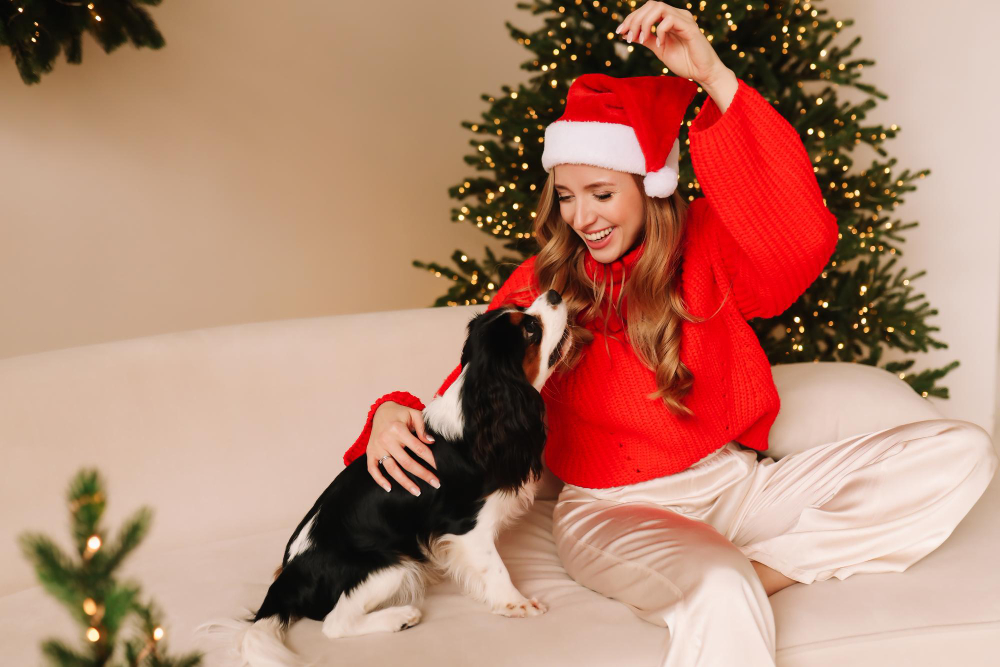
The holiday season brings guests, decorations, special meals, and schedule changes — all exciting for us, but potentially dangerous for pets. During Thanksgiving, Christmas, and New Year’s Eve, veterinarians see an increase in preventable emergencies caused by holiday foods, toxic plants, decorations, and stress-related behavior.
Here are veterinarian-informed holiday safety tips for dogs and cats to help you prevent emergencies and keep celebrations peaceful and pet-friendly.
Holiday décor adds warmth to the season, but many of these items can also create hazards for curious dogs and cats.
Ribbons, wrapping paper, tinsel, and bows — Many dogs and cats love to chew or swallow ribbons, strings, and shiny décor. These are linear foreign bodies, and they can cause life-threatening intestinal obstructions that often require surgery.
If you see ribbon or tinsel hanging from your pet’s mouth or rear end, do not pull it — contact your veterinarian immediately.
Christmas trees and tree water — Secure your tree to prevent tipping. Keep ornaments above tail and paw height, and block access to Christmas tree water, which may contain fertilizers, pine oils, or bacteria that can cause vomiting and gastrointestinal upset. Pine needles can irritate the mouth or cause obstruction if eaten.
Holiday lights and electrical cords — Dogs and cats can chew plugged-in light cords and extension cords, leading to burns or electrical shock injuries. Use cord covers, tape cords to walls, and unplug when not in use.
Candles — Pets can easily knock over candles or singe whiskers and tails. Switch to battery-powered flameless candles for safer holiday ambience.
Some traditional holiday plants can cause irritation, stomach upset, or more serious toxicity.
Poinsettias — Mildly toxic; can cause drooling or vomiting.
Mistletoe — Certain species can cause seizures or liver issues.
Holly — Can cause GI upset in both dogs and cats.
Lilies — Extremely toxic to cats; even tiny pollen exposure can cause kidney failure.
Forced bulbs (daffodils, narcissi, etc.) — May lead to severe digestive upset and other symptoms.
If you’re unsure about a plant’s safety, ask your veterinarian or choose artificial greenery.
Between Thanksgiving leftovers and Christmas dinner, pets often come across unfamiliar foods. Many of these cause urgent care visits.
Fatty foods and sudden diet changes — New, rich foods can cause vomiting, diarrhea, and pancreatitis. If you want to share a holiday treat, offer a small amount of plain lean meat mixed into their regular food.
Turkey bones, roasting strings, and packaging — Pets often raid the trash for twine, bones, or packaging soaked in meat juices. These items can cause choking or obstruction, so dispose of them in sealed bins.
Chocolate and cocoa products — Chocolate contains theobromine, which is toxic to pets. Dark and baking chocolate contain the highest levels. Signs include restlessness, tremors, vomiting, diarrhea, and collapse.
Uncooked bread dough — Dough can continue rising inside the stomach, leading to bloat or obstruction.
The holiday season brings new people, noise, smells, and routines that can increase anxiety.
Safe spaces — Create a quiet area with blankets, water, a litter box for cats, and a favorite toy.
Calming aids — Products such as Zylkene, Anxitane, Adaptil, and Feliway can help manage holiday-related stress.
Extra play and exercise — Walks, enrichment toys, and play sessions help pets burn nervous energy and maintain a sense of normalcy.
Holiday kitchens are filled with hot surfaces, sharp tools, and dropped foods that aren’t pet-safe. Keeping pets out of the kitchen during busy cooking times reduces the risk of burns, injuries, and accidental ingestion.
Contact your veterinarian or emergency clinic right away if your pet:
• Eats ribbon, tinsel, string, wrapping paper, or other non-food items
• Chews through a plugged-in electrical cord
• Ingests chocolate, dough, toxic plants, or anything suspicious
• Shows vomiting, diarrhea, tremors, lethargy, bloating, collapse, or sudden behavior changes
Fast intervention can be life-saving.
With a little planning, you can enjoy a safer holiday season with your pets — from Thanksgiving gatherings to New Year’s celebrations. If you have questions or suspect your pet has been exposed to a hazard, Onalaska Animal Hospital is here to help.


